






Growing Conditions & Care:
- Light: They generally prefer full sun to partial shade.
- Soil: They prefer well-drained, acidic, fertile, and moist soil.
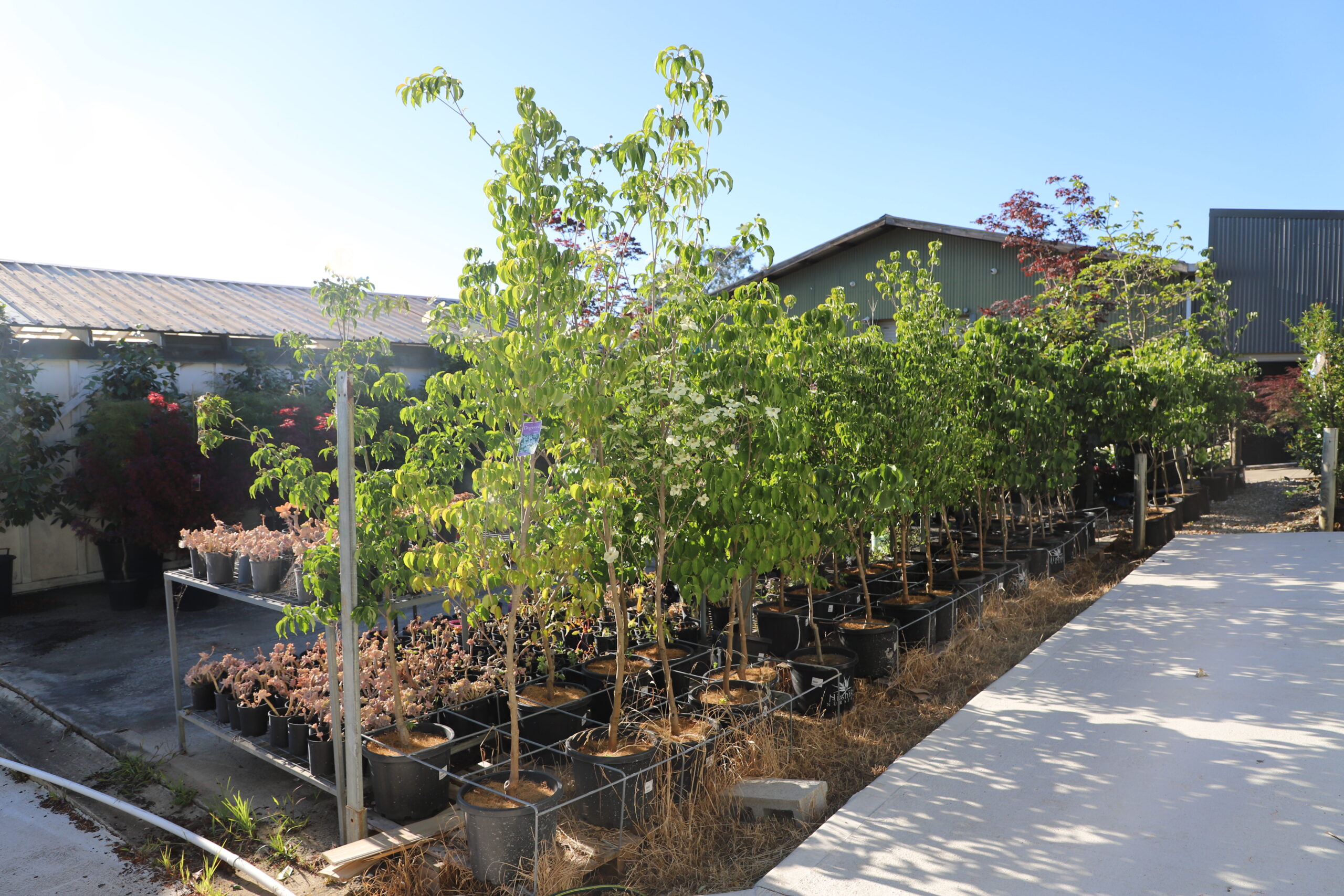
- Uses: Used as ornamental specimen trees, hedging, and to provide structure in winter borders.
- Maintenance: They require minimal pruning, which should be done in late winter.
- Diseases: C. florida is susceptible to dogwood anthracnose, while C. kousa is more resistant.
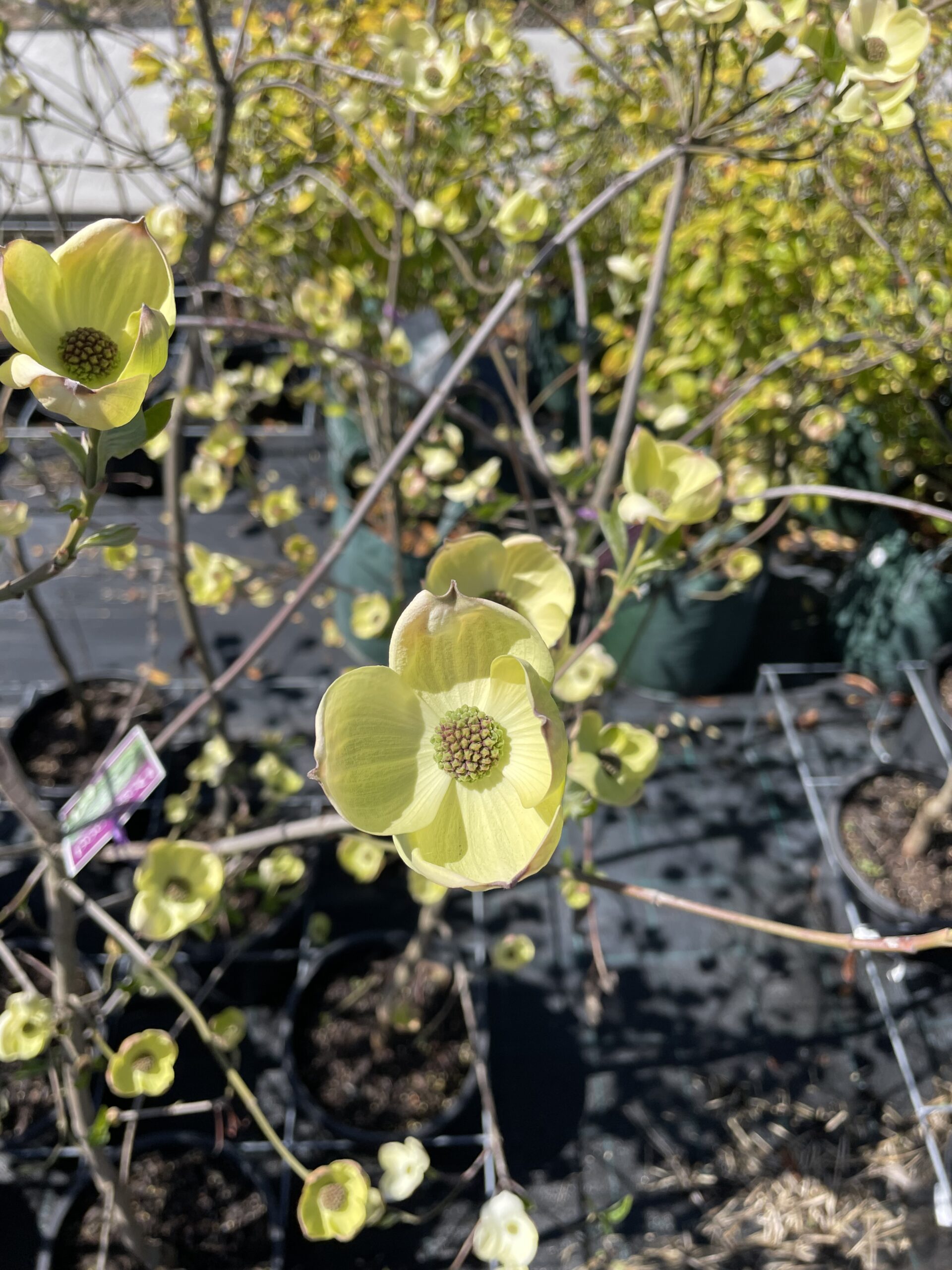
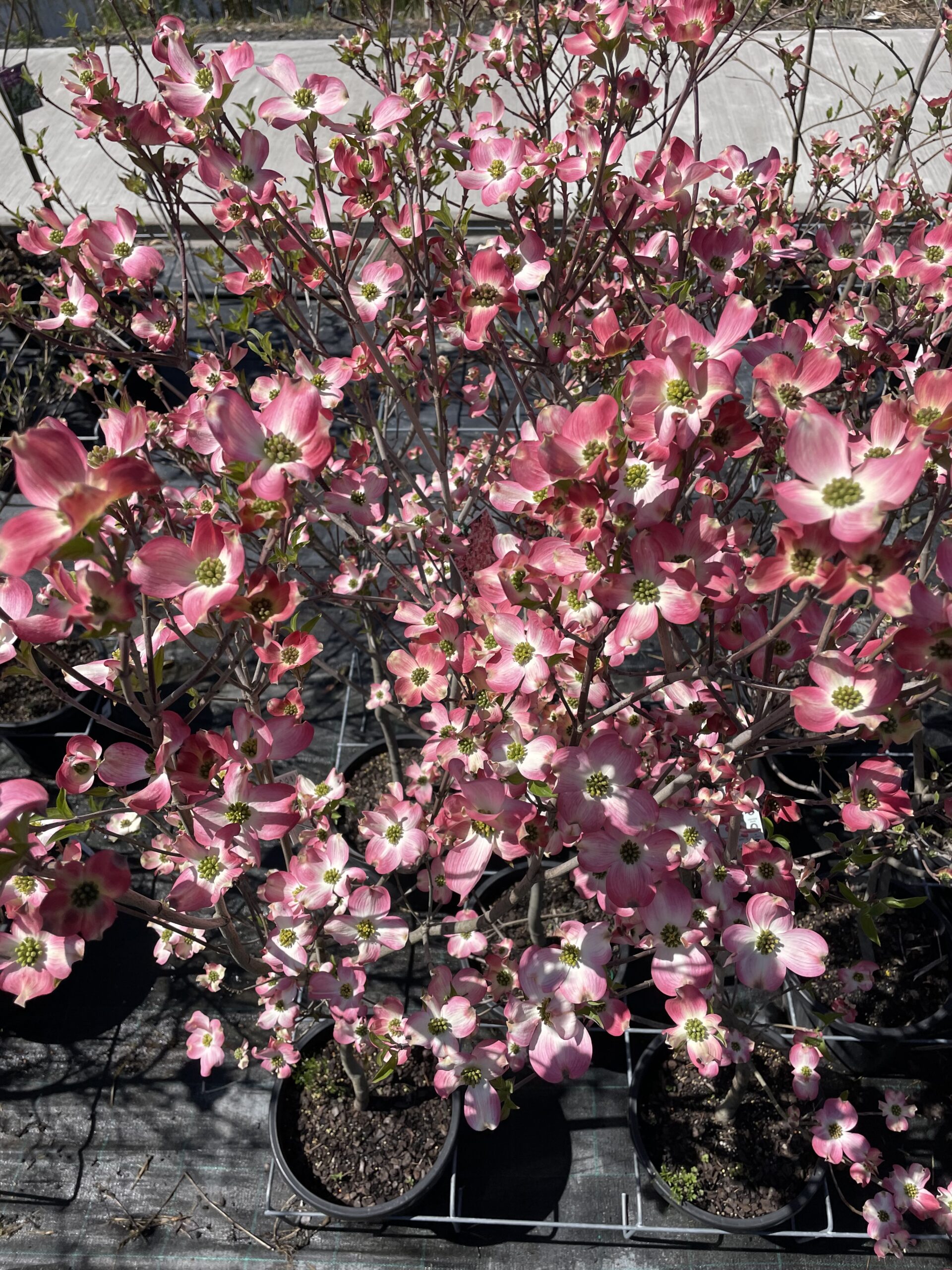
- Flowers/Bracts: The true flowers are small and inconspicuous, but are often surrounded by 4-6 large, showy, petal-like bracts (white, pink, or red).
- Fruit: They produce berry-like drupes that are a major food source for birds and wildlife.
- Bark: Some, like C. sericea, are valued for their intensely colored winter bark.
- Leaves: Most dogwoods have opposite leaves, with the exception of Cornus alternifolia (alternate-leaf dogwood).
Uses In The Garden:
- Excellent as a specimen or feature tree in a landscape.
- Suitable for small gardens, courtyards, or woodland settings.
- Provides year-round interest with flowers, foliage, and fruit.